Thalassemia in Adults: Recognizing and Treating Symptoms
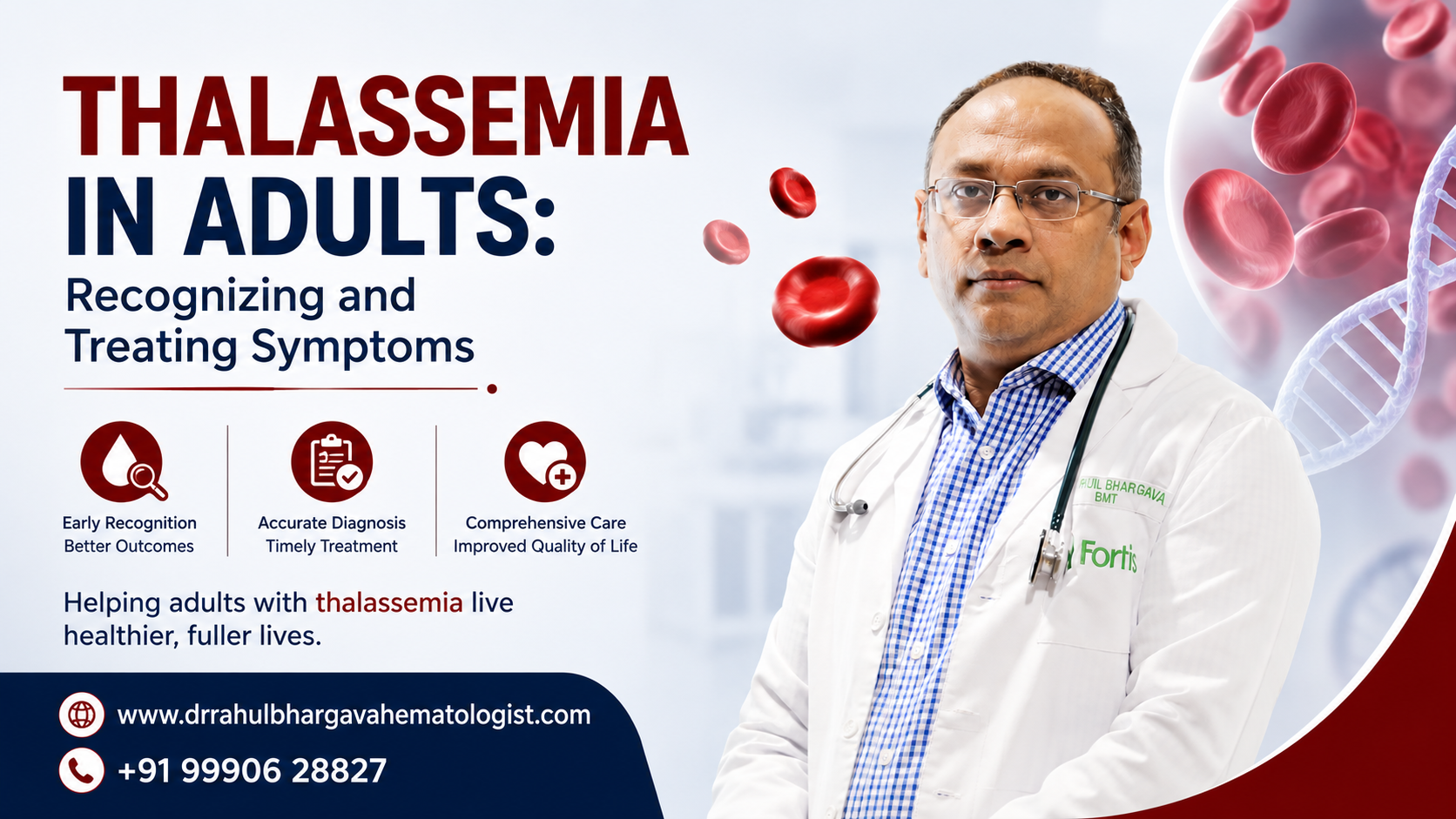
Table of Contents
Thalassemia is a genetic blood disorder that affects the body’s ability to produce hemoglobin, the protein in red blood cells responsible for carrying oxygen. While often diagnosed in childhood, many adults continue to live with thalassemia and face unique health challenges. Some adults, especially those with milder forms, may only begin to notice thalassemia symptoms in adults later in life. Recognizing these signs and managing the symptoms is crucial for improving quality of life and preventing complications.
In this post, we will explore thalassemia symptoms in adults, diagnostic procedures, and effective management strategies. Dr. Rahul Bhargava, a renowned hematologist, emphasizes the importance of early detection and personalized treatment to mitigate long-term effects of the condition.
What is Thalassemia?
Thalassemia is an inherited blood disorder caused by mutations in the genes responsible for producing hemoglobin. There are two main types: alpha-thalassemia and beta-thalassemia, which affect different components of hemoglobin production.
- Alpha-thalassemia occurs when one or more of the four genes related to alpha-globin are mutated or missing.
- Beta-thalassemia results from mutations in one or both genes responsible for beta-globin.
The severity of thalassemia can range from mild (thalassemia minor) to severe (thalassemia major), depending on the number of gene mutations. While children are typically diagnosed early, thalassemia symptoms in adults may not emerge until later in life for those with milder forms or may have been managed for years.
Thalassemia Symptoms in Adults
Recognizing thalassemia symptoms in adults is essential, as early intervention can help prevent complications. Symptoms vary depending on the severity of the condition, but adults with thalassemia may experience the following:
Mild to Moderate Symptoms:
- Fatigue and Weakness
One of the most common thalassemia symptoms in adults is chronic fatigue. This is caused by a lack of healthy red blood cells to transport oxygen, making individuals feel consistently tired or weak, which can impact daily activities. - Pale or Yellowish Skin
Anemia, a hallmark of thalassemia, often leads to pale skin. In some cases, jaundice (yellowish skin) may appear due to the breakdown of hemoglobin in the liver.
Severe Symptoms:
- Bone Deformities
In more severe cases, long-term bone marrow expansion, especially in the face, may lead to noticeable deformities. This is a result of the body’s attempt to compensate by producing more red blood cells, another common thalassemia symptom in adults. - Frequent Infections
A weakened immune system, particularly after spleen removal (splenectomy), makes adults with thalassemia more prone to infections, another important thalassemia symptom in adults that should not be overlooked. - Iron Overload Symptoms
Regular blood transfusions often lead to iron overload, one of the critical thalassemia symptoms in adults. Symptoms include joint pain, fatigue, and organ damage to vital organs like the heart and liver. - Cardiovascular Problems
Chronic anemia can put a strain on the heart, leading to conditions such as an enlarged heart (cardiomegaly) or irregular heartbeat (arrhythmia). Cardiovascular issues are among the more serious thalassemia symptoms in adults and, without proper management, can increase the risk of heart failure. - Liver and Spleen Enlargement (Hepatosplenomegaly)
Enlargement of the liver and spleen, caused by the body’s effort to filter defective red blood cells, is another significant thalassemia symptom in adults. This can lead to abdominal discomfort or pain.
Understanding these thalassemia symptoms in adults and their potential impact on your health is key to getting the right treatment and care.
Diagnosing Thalassemia in Adults
If you suspect that you have thalassemia or have been living with the condition since childhood, an accurate diagnosis is essential for effective treatment. Dr. Rahul Bhargava and other specialists recommend the following tests to confirm thalassemia symptoms in adults:
- Complete Blood Count (CBC): This test measures the number and quality of your red blood cells and hemoglobin levels. A low red blood cell count and microcytic anemia (small red blood cells) often indicate thalassemia.
- Hemoglobin Electrophoresis: Provides a detailed look at the types of hemoglobin in your blood and can identify the abnormal forms found in thalassemia.
- Genetic Testing: Confirms mutations in hemoglobin genes, helping determine the specific type of thalassemia.
Early diagnosis is crucial to prevent long-term complications, such as heart failure or liver disease, often associated with undiagnosed thalassemia symptoms in adults.
Managing Thalassemia in Adults
Managing thalassemia requires a personalized approach focused on treating symptoms, preventing complications, and improving quality of life. Here are some common strategies for managing thalassemia symptoms in adults:
1. Blood Transfusions
Regular blood transfusions help alleviate some of the more common thalassemia symptoms in adults, such as fatigue and shortness of breath, by maintaining healthy hemoglobin levels.
2. Iron Chelation Therapy
Frequent transfusions can lead to iron overload, a significant concern when managing thalassemia symptoms in adults. Medications like deferoxamine or deferasirox help remove excess iron from the body, protecting vital organs.
3. Folic Acid Supplements
Folic acid helps boost red blood cell production, which can alleviate some of the anemia-related thalassemia symptoms in adults.
4. Bone Marrow Transplant
A bone marrow transplant (also known as stem cell therapy) may offer a potential cure for thalassemia. Though more common in children, this option is becoming viable for adults, particularly those with severe thalassemia symptoms in adults.
5. Monitoring for Complications
Regular check-ups are essential to monitor for complications such as heart disease, liver damage, or diabetes, which can arise from undiagnosed thalassemia symptoms in adults. Early detection and treatment can prevent irreversible damage.
Living with Thalassemia: Tips for Adults
Living with thalassemia as an adult requires proactive self-care and regular medical supervision. Here are some tips to help manage thalassemia symptoms in adults:
- Stay on Top of Your Treatments: Ensure you follow your transfusion schedule, take iron chelation medication, and attend regular check-ups with your hematologist.
- Monitor Your Iron Levels: Request regular ferritin level tests to assess iron overload and adjust treatment as needed to prevent complications.
- Healthy Diet: Focus on a well-balanced diet rich in fruits and vegetables. Avoid high-iron foods unless advised otherwise by your doctor.
- Exercise Regularly: Engage in moderate exercise to maintain cardiovascular health, but avoid overexertion if you experience fatigue.
- Seek Professional Help: Consult with specialists like Dr. Rahul Bhargava, who have extensive experience managing thalassemia symptoms in adults.
Recognizing and managing thalassemia symptoms in adults is essential for improving long-term health and quality of life. With proper diagnosis, treatment, and lifestyle changes, adults with thalassemia can lead fulfilling lives while minimizing complications. If you're concerned about any symptoms or need expert advice, consider scheduling an appointment with Dr. Rahul Bhargava, a specialist in managing blood disorders.
Frequently Asked Questions
Thalassemia in adults is an inherited blood disorder in which the body produces insufficient or abnormal hemoglobin. This results in chronic anemia and may lead to fatigue, weakness, enlarged spleen, bone deformities, and other health complications if left untreated.
Early symptoms may include persistent fatigue, weakness, pale or yellowish skin, shortness of breath, dizziness, headaches, reduced exercise tolerance, and an enlarged spleen. Some adults with mild thalassemia may have few or no symptoms.
No, thalassemia is a genetic condition that is present from birth. However, individuals with mild forms, such as thalassemia trait or thalassemia intermedia, may not receive a diagnosis until adulthood. This is often when symptoms become more noticeable or routine blood tests reveal anemia.
Adults may have alpha thalassemia, beta thalassemia trait (minor), thalassemia intermedia, or transfusion-dependent beta thalassemia major. The severity of symptoms and treatment requirements depend on the specific type and genetic mutations involved.
Treatment depends on the severity of the condition and may include regular blood transfusions, iron chelation therapy, folic acid supplementation, medications that improve red blood cell production, splenectomy in selected cases, and bone marrow or stem cell transplantation for eligible patients.
For selected patients, an allogeneic bone marrow or stem cell transplant offers the potential for a long-term cure. Eligibility depends on factors such as age, overall health, disease severity, and the availability of a suitable donor.
Untreated thalassemia can lead to severe anemia, iron overload, heart disease, liver damage, endocrine disorders, osteoporosis, infections, enlarged spleen, delayed growth, and reduced quality of life.
Patients receiving regular blood transfusions accumulate excess iron because the body cannot naturally eliminate it. Without iron chelation therapy, iron can build up in the heart, liver, and endocrine glands, causing serious organ damage.