Cutaneous T-Cell Lymphoma (CTCL) Treatment in India
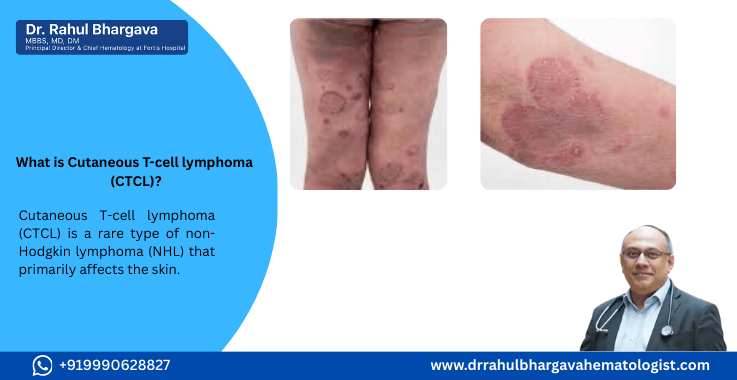
Cutaneous T-cell lymphoma (CTCL) is a rare type of non-Hodgkin lymphoma (NHL) that primarily affects the skin. CTCL is a type of T-cell lymphoma, meaning it originates in T lymphocytes (a subset of white blood cells) that normally help regulate immune responses. In CTCL, these T-cells undergo malignant transformation, leading to abnormal growth and accumulation of these cells in the skin, causing characteristic skin changes and, in advanced cases, affecting other organs.
CTCL is primarily classified into indolent (slow-growing) and aggressive (fast-growing) types, and its symptoms can range from mild skin rashes to more severe forms of the disease.
What is Cutaneous T-Cell Lymphoma (CTCL)?
Cutaneous T-Cell Lymphoma (CTCL) is a rare type of non-Hodgkin lymphoma that primarily affects the skin. It occurs when T-cells, a type of white blood cell that helps the body fight infections, become cancerous and begin to grow uncontrollably. These malignant cells typically accumulate in the skin, causing various symptoms that can range from mild to severe.
Types of CTCL
CTCL encompasses several subtypes, each with distinct characteristics:
-
- Mycosis Fungoides: The most common type, which usually presents as patchy, scaly skin lesions.
- Sézary Syndrome: A more aggressive form characterized by widespread skin involvement and the presence of malignant T-cells in the blood.
- Primary Cutaneous Anaplastic Large Cell Lymphoma (PC-ALCL): A less common variant that forms localized nodules or tumors on the skin.
- Lymphomatoid Papulosis: A chronic condition with recurrent, self-healing skin lesions.
Causes and Types of Cutaneous T-Cell Lymphoma
The exact cause of CTCL is not fully understood. However, certain factors may increase the risk of developing the disease, including:
-
- Genetic mutations: Abnormal changes in the DNA of T-cells.
- Immune system disorders: Conditions that weaken the immune system may predispose individuals to CTCL.
Symptoms of Cutaneous T-Cell Lymphoma (CTCL)
-
- Itchy, red patches: Persistent, itchy, red, or scaly patches that resemble eczema or psoriasis.
- Thickened skin: Areas of skin may become thickened or leathery.
- Tumors or nodules: Raised, firm bumps or lumps on the skin, which may ulcerate.
- Enlarged lymph nodes: Swelling of the lymph nodes, often in the neck, armpits, or groin.
- Fatigue and weight loss: General feelings of tiredness and unexplained weight loss, especially in advanced stages.
Diagnosis of Cutaneous T-Cell Lymphoma
Diagnosing CTCL involves a combination of clinical evaluation, skin biopsies, and laboratory tests. Dr. Rahul Bhargava and his team use advanced diagnostic tools to confirm the presence of CTCL and determine its subtype and stage.
-
- Skin biopsy: A small sample of affected skin is removed and examined under a microscope.
- Blood tests: To detect malignant T-cells in the bloodstream, particularly in cases of Sézary Syndrome.
- Imaging studies: PET scans, CT scans, or X-rays to check for the spread of lymphoma to other parts of the body.
Treatment Options for Cutaneous T-Cell Lymphoma
Treatment for CTCL depends on the type, stage, and overall health of the patient. Dr. Rahul Bhargava offers a multidisciplinary approach to ensure the best possible outcomes.
- Topical Therapies: Medications applied directly to the skin, such as corticosteroids, retinoids, or imiquimod.
- Phototherapy: Use of ultraviolet light to treat affected skin areas.
- Systemic Therapies: Oral or intravenous medications, including chemotherapy, immunotherapy, or targeted therapies.
- Radiation Therapy: High-energy rays are used to target and kill cancer cells in localized areas.
- Stem Cell Transplant: For advanced cases, a bone marrow or stem cell transplant may be recommended.
Cost of Treatment and Stay in India
The cost of treating Cutaneous T-Cell Lymphoma (CTCL) in India varies based on the type of treatment and the hospital. Here’s a quick breakdown:
- Consultation Fees: INR 1,500 – 4,000 (USD 18 – 50)
- Diagnostic Tests: INR 10,000 – 50,000 (USD 120 – 600)
- Treatment Costs:
- Topical Therapies: INR 5,000 – 25,000/month (USD 60 – 300)
- Chemotherapy: INR 50,000 – 1,00,000/cycle (USD 600 – 1,200)
- Stem Cell Transplant: INR 20,00,000 – 50,00,000 (USD 24,000 – 60,000)
- Hospital Stay:
- General Room: INR 2,000 – 8,000/day (USD 24 – 96)
- Private Room: INR 6,000 – 15,000/day (USD 72 – 180)
For a year of treatment, costs range from INR 5,00,000 to 50,00,000 (USD 6,000 – 60,000). Accommodation costs vary from INR 1,500 to 20,000/day (USD 18 – 240).
Frequently Asked Questions
Early signs include persistent itchy rashes, scaly patches, and small skin lesions. If you notice these symptoms, consult a specialist for evaluation.
While CTCL is a chronic condition, early and effective treatment can manage symptoms and improve the quality of life. Some types may go into remission with treatment.
The duration of treatment varies based on the stage and type of CTCL. Some patients may require ongoing therapy, while others may need more intensive treatment initially, followed by maintenance.
CTCL is a type of skin cancer, while eczema and psoriasis are inflammatory skin conditions. Though they may look similar with red, itchy patches, CTCL involves cancerous T-cells and can progress to form tumors or spread beyond the skin. Proper diagnosis is key to distinguishing CTCL from these other conditions.
Recovery depends on the treatment type and the patient’s overall health. Post-treatment follow-up is crucial to monitor the condition and manage any side effects.