Wiskott-Aldrich Syndrome Treatment in India
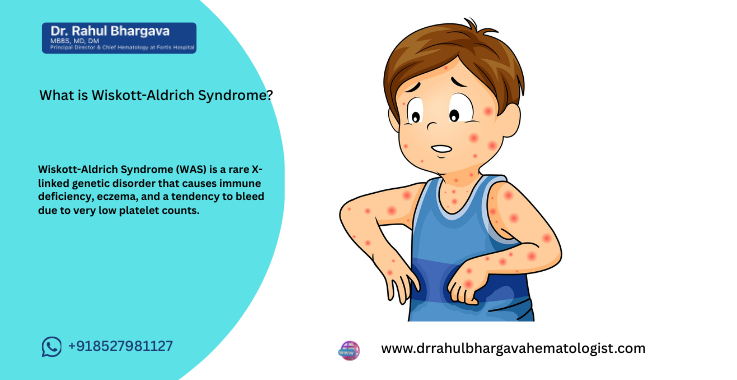
Wiskott-Aldrich Syndrome (WAS) is a rare X-linked genetic disorder that primarily affects males and is characterized by a combination of immune deficiency, eczema, and an increased tendency to bleed due to low platelet counts. The disease is caused by mutations in the WAS gene, which encodes the Wiskott-Aldrich Syndrome Protein (WASP), a protein crucial for the functioning of immune cells. These immune cells, including T-cells, B-cells, and platelets, are affected, leading to immunodeficiency, bleeding problems, and skin conditions.
Wiskott-Aldrich Syndrome (WAS)
Wiskott-Aldrich Syndrome is an X-linked recessive disorder that predominantly affects males. It results from mutations in the WAS gene, which encodes a protein crucial for immune cell function. This deficiency compromises the body’s ability to fight infections and maintain normal blood clotting.
Causes of Wiskott-Aldrich Syndrome
WAS is caused by mutations in the WAS gene located on the X chromosome. This gene mutation leads to the production of a defective protein, resulting in abnormal immune system function and platelet production. The genetic defect is inherited in an X-linked recessive pattern, which means the condition primarily affects males. Females can be carriers of the gene but are less likely to develop symptoms.
- Inheritance: Wiskott-Aldrich syndrome is inherited in an X-linked recessive pattern, meaning it is passed from mothers to sons.
Gene Mutation: The mutation affects the WAS protein, which plays a vital role in immune system functioning and platelet production.
Symptoms of Wiskott-Aldrich Syndrome
The symptoms of Wiskott-Aldrich Syndrome can vary in severity, but common signs include:
- Eczema: Severe, itchy skin rash that typically starts in infancy.
- Recurrent Infections: Due to a weakened immune system, individuals with WAS are more prone to bacterial, viral, and fungal infections.
- Low Platelet Count (Thrombocytopenia): This can lead to easy bruising, bleeding gums, and frequent nosebleeds.
- Autoimmune Disorders: Some patients develop autoimmune conditions, such as rheumatoid arthritis.
- Growth Retardation: Children with WAS may experience slower physical growth.
Types of Wiskott-Aldrich Syndrome
Wiskott-Aldrich Syndrome can be categorized into three main forms based on the severity of symptoms:
- Classical WAS: The most common form, characterized by the classic triad of eczema, thrombocytopenia, and immune deficiency.
- WAS with Minimal Symptoms: Some individuals may have milder symptoms, including fewer infections or less severe eczema.
- Severe WAS (also called WAS with Hemophagocytic Lymphohistiocytosis): This is a life-threatening form, often characterized by severe infections and early childhood death if not treated promptly.
Diagnosis of Wiskott-Aldrich Syndrome
Early diagnosis of Wiskott-Aldrich Syndrome is crucial for effective management. Dr. Rahul Bhargava uses advanced diagnostic tools to confirm WAS through:
- Blood Tests: To check platelet count, white blood cell count, and immune function.
- Genetic Testing: To identify mutations in the WAS gene.
- Bone Marrow Biopsy: To examine blood cell production and rule out other hematologic conditions.
- Immunological Testing: To assess immune system function and identify deficiencies in antibodies or immune cells.
Treatment for Wiskott-Aldrich Syndrome
Treatment for WAS aims to manage symptoms, prevent infections, and address complications like bleeding. Dr. Rahul Bhargava provides comprehensive treatment options tailored to the individual’s needs:
- Stem Cell Transplantation: The most effective treatment for WAS is a hematopoietic stem cell transplant (HSCT), which replaces the defective immune cells with healthy ones from a donor.
- Immunoglobulin Therapy: To boost the immune system and reduce the frequency of infections.
- Platelet Transfusions: To manage low platelet count and prevent bleeding.
- Gene Therapy: In some cases, gene therapy is being explored as a potential treatment to correct the genetic defect.
Cost of Treatment & Stay in India
India is known for offering high-quality medical care at affordable rates compared to Western countries. The cost of treating Wiskott-Aldrich Syndrome (WAS) in India can vary based on the specific treatment required and the complexity of the case. Below are the estimated costs for treatment in India:
- Stem Cell Transplantation (HSCT):
Typically ranges from USD 25,000 to USD 45,000, which is approximately INR 20,00,000 to INR 35,00,000. - Immunoglobulin Therapy and Platelet Transfusions:
These treatments are usually required on an ongoing basis. The cost will depend on the frequency and duration but can range from USD 1,000 to USD 3,000 per month, which is approximately INR 80,000 to INR 2,40,000. - Hospital Stay (for Stem Cell Transplant):
The average cost for a hospital stay of 2 to 3 weeks in India for a stem cell transplant is approximately USD 5,000 to USD 10,000, which is around INR 4,00,000 to INR 8,00,000.
Frequently Asked Questions
Life expectancy can vary widely depending on the severity of the disease and the response to treatment. Early diagnosis and stem cell transplant have significantly improved outcomes, with many patients leading near-normal lives.
While there is no complete “cure” for WAS, treatments like hematopoietic stem cell transplantation (HSCT) offer the best chance for a cure or significant improvement in quality of life.
Diagnosis is typically made through genetic testing, blood tests, and sometimes a bone marrow biopsy to evaluate immune system function.